
The Kunye Way
A framework for understanding yourself from the inside out.
We are the most health-monitored generation in history. We track our sleep, our heart rate variability, our steps, our cycles, our stress scores. And yet many of us still don't know how to describe how we actually feel.
Data tells you what is happening. Kunye’s methods and techniques teach you why and what to do (or not do) about it.
Self-care starts with the body, moves through the nervous system, and builds a practice of body literacy that no device, protocol, or programme can replicate. This is body-out work. And it changes everything.

We call this the body-out approach. Instead of thinking your way to wellness, you learn to feel your way there and let the body lead.
Why We Do This
The problem with top-down
(an exclusively clinical approach)
Most of us have been taught to think our way to self-regulation. Understand the pattern. Set the intention. Build the habit. And yet the body keeps holding tension, the nervous system keeps firing, the feeling doesn't change. That's because lasting change doesn't start in the mind.
What changes when you work this way
Not just how you feel in your body but How you make decisions. How you rest. How you move through difficulty. When the nervous system is regulated and the body is legible to you, you become more resilient and expand your capacity to navigate life.
What body-out actually means
The body holds information the thinking mind can't access. Sensation, signal, stored bracing pattern. When you learn to read those signals, rather than manage, override, or perform around them - you begin to access a different kind of intelligence and make informed choices in alignment with the highest version of yourself.
THE KUNYE WAY SOMATIC APPROACH:
Five Movements To Come Home To Yourself
SLOW DOWN
The Entry Point
Before anything else can happen, pace has to change. Slowing down isn't rest — it's the act of creating enough internal space to hear what's already present. Most of us skip this and wonder why nothing shifts.
1
WHAT CHANGES
From reactive to responsive.
From noise to signal.
The body begins to feel safe enough to speak.
SENSE IT
The Practice Of Honest Attention
Tuning into what is actually present — tension, ease, numbness, aliveness, heat, weight. Not what you think should be there. Not what you want. What is. This is interoception: the body's internal reporting system, and most of us have never been taught to use it.
2
WHAT CHANGES
From interpretation to direct experience.
You stop narrating your body and start listening to it
MEET IT
Where The Real Work Begins
Turning toward what you find — without fixing it, managing it, or judging. Meeting is not passive. It's a radical act of presence. The body responds to being met. Tissue releases. Patterns shift. The nervous system softens when it's no longer being ignored.
3
WHAT CHANGES
From resistance to relationship.
You stop fighting your own experience and it stops fighting back.
MOVE WITH IT
Let The Body Lead
Breath, movement, stillness, touch, self-care: whatever the moment asks for. This is where somatic intelligence translates into action. Not prescribed movement but responsive movement. The body already knows what it needs. This stage is learning to follow that knowing rather than override it.
4
WHAT CHANGES
From punishment to embodiment.
Movement becomes expression rather than obligation.
5
COME HOME (TO YOURSELF)
The Return
Regulated, present, whole. Home is not a permanent state — it's a felt sense of returning to yourself. The more you practice, the shorter the distance back. Over time, Home stops being a destination you reach in a workshop and becomes the orientation you return to throughout an ordinary day.
WHAT CHANGES
From seeking to arriving.
The practice becomes portable. You carry it with you.
Slow the noise down
〰️
Slow the spiral down
〰️
Slow the body down
〰️
Slow the mind down
〰️
Slow the grief down
〰️
Slow the hustle down
〰️
Slow the noise down 〰️ Slow the spiral down 〰️ Slow the body down 〰️ Slow the mind down 〰️ Slow the grief down 〰️ Slow the hustle down 〰️
ONCE YOU KNOW HOW TO LISTEN,
YOU NEED TO KNOW WHERE TO LOOK.
The three Pathways are your map. They help you identify which part of yourself is asking for attention right now. Start where you are. Tend to one. Trust that the others will follow.
Inner Self. Outer Self. Higher Self.
Each one is distinct. Your nervous system is the bridge between all three. When you tend to one, the others begin to shift too.

INNER SELF
The subtle terrain of your thoughts, feelings, intuition, and nervous system.

OUTER SELF
Return home to your physical body, not just as a machine for productivity, but as a source of wisdom, connection, beauty, and power.

HIGHER SELF
Our sense of belonging to Self and the collective. It explores how you orient to meaning, intuition, creativity, rest, and energy.
Inner Self
The terrain of your nervous system, thoughts, feelings, and intuition
What am I feeling, and what do I need?
Your Inner Self is the landscape of your internal experience — your emotions, thoughts, intuition, and the intricate workings of your nervous system. This pathway invites you to develop a compassionate relationship with these elements through practices that foster awareness, regulation, and self-compassion.
When we rush through life, we often bypass our emotional experience… or get swept away by it. The Inner Self pathway invites us to learn how to be with your feelings without being consumed by them and regulate ourselves to deepen our capacity to carry ourselves through life.
Signs This Pathway Is Calling You
You feel wired, depleted, or emotionally flat (sometimes all three)
Stress feels like it lives in your body, not just your mind
You're high functioning, but unsettled or exhausted
You're in a season of change and need an anchor
Persistent anxiety or feeling "scattered" with racing thoughts
Emotionally reactive or numbness
Difficulty sleeping or expressing your feelings
Using substances, work, or other behaviours to avoid feeling

Practices For This Pathway
Tend to the nervous system as a sacred ecosystem by learning its cues, honoring its limits, and expanding our capacity to be with life as it is.
The Inner Self Pathway is about learning how to be with yourself, tenderly, fully, and truthfully setting the stage for deeper healing and resilience using the following tools:
Breathwork
Mindfulness / Meditation
Somatic Experiencing
Polyvagal Theory
Somatic Myofascial Release
Body Literacy Study
Where To Begin
Outer Self
The terrain of your physical body, not just as a machine for productivity,
but as a source of wisdom, connection, beauty, and power.
How do I care for myself?
Your Outer Self is how you experience the world through your senses, how you move and rest, how you honour your boundaries, and how you tend to your environment.
It’s the space where self-respect becomes tangible. This pathway invites you to develop a connected relationship with the whole body through movement, rituals, rest rhythms, and daily acts of embodiment. It supports a profound reconnection with our authentic being.
Signs This Pathway Is Calling You
Chronic tension that won’t resolve
Feeling numb, disconnected or overwhelmed by your senses
(Going through the motions of daily life on autopilot)Headaches, fatigue, or sleep challenges
Struggle with boundaries or feel drained in relationships
Ignoring basic body signals like hunger, thirst, fatigue, or the need to use the bathroom
Moving through life feeling "floaty" or ungrounded
— Constantly seeking external validation or approval to feel worthyA body that's changing — through age, surgery, postpartum…
Practices For This Pathway
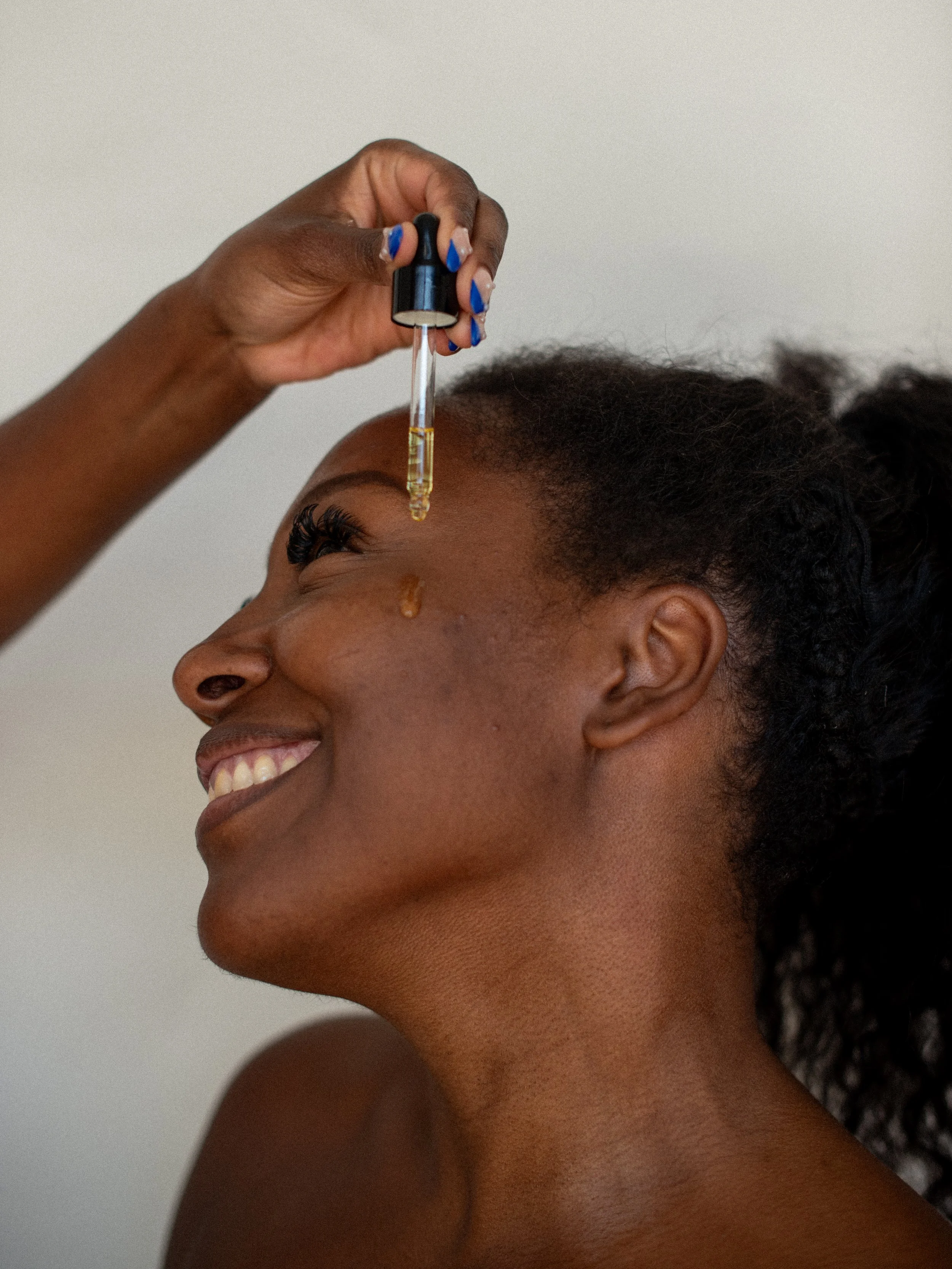
Grounded in science of physiology and neuroplasticity the Outer Self Pathway shows us that tending to the body also transforms the mind. Simple, intentional acts of physical care can rewire the brain toward safety, resilience, and ease.
The Outer Self pathway is about remembering that your body is not an afterthought. It is the first place your life is lived.
Personal Care Rituals
Mindful Movement
Somatic Touch
Mind-body practices
Somatic Myofascial Release
Rest Practices
Where To Begin
Higher Self
Our sense of belonging to ourselves and something larger. Orient to meaning, intuition, creativity, rest, and energy hygiene.
What do I value and what am I hear to cultivate?
Your Higher Self is the part of you that seeks vision, not just survival. It’s the part that yearns for stillness, reverence, and deep-rooted alignment. It invites you to connect with something beyond the day-to-day.
The Outer Self pathway taps into your deepest intelligence, the part of you that knows things your thinking mind hasn't figured out yet. This might be the quiet voice that emerges during a walk in nature, the clarity that comes after meditation, or the sense of rightness you feel when you're truly aligned with your values. "Higher power" might simply be the highest, wisest, most integrated version of yourself.
Signs This Pathway Is Calling You
Disconnected from purpose or meaning
Energetic restlessness/Rest that doesn’t feel restful/inability to “switch off”
A craving for deeper spiritual connection or guidance
Struggle to access creativity or rest
Stuck in productivity or disillusioned with hustle culture
Lack of meaning, direction, or vision
Lack of passion

Practices For This Pathway
This pathway is the one most easily neglected in a productive life. It holds your relationship to rest — not as recovery, but as a practice in its own right. To meaning, intuition, creativity, and the quiet knowing that exists beneath the noise of daily demands.
Journaling
Establishing values and boundaries
Intentional rest practices
Meditation/contemplation
Gratitude practices
Self study (workshops, retreats, reading…)
Where To Begin