

Sense of Self™
A deeper understanding of yourself begins with learning how to listen
Sense of Self™ is Kunye’s framework for developing body literacy: the ability to notice, understand and respond to your body's signals within the context of your life.
Rooted in somatic education, nervous system awareness and mindful movement, our approach helps you build a more informed, compassionate and sustainable relationship with your inner, outer, and higher Self.
Explore the Framework ↓
Slow the noise down
〰️
Slow the spiral down
〰️
Slow the body down
〰️
Slow the mind down
〰️
Slow the grief down
〰️
Slow the hustle down
〰️
Slow the noise down 〰️ Slow the spiral down 〰️ Slow the body down 〰️ Slow the mind down 〰️ Slow the grief down 〰️ Slow the hustle down 〰️
You know a lot about wellness.
But how well do you know yourself?
You might understand your nervous system, follow a wellness routine, a mindfulness practice, and have a growing collection of tools designed to help you feel better.
But knowing what is good for you in theory isn't always the same as knowing what you need in practice.
When should you push, and when should you rest? Is your body asking for movement, or something else entirely? Are you responding to your needs, or following another set of expectations?
What if the missing piece is learning to listen and interpret the signals from your own body?
At Kunye, we believe that skill is a lost art that can be developed.
And it begins with body literacy.
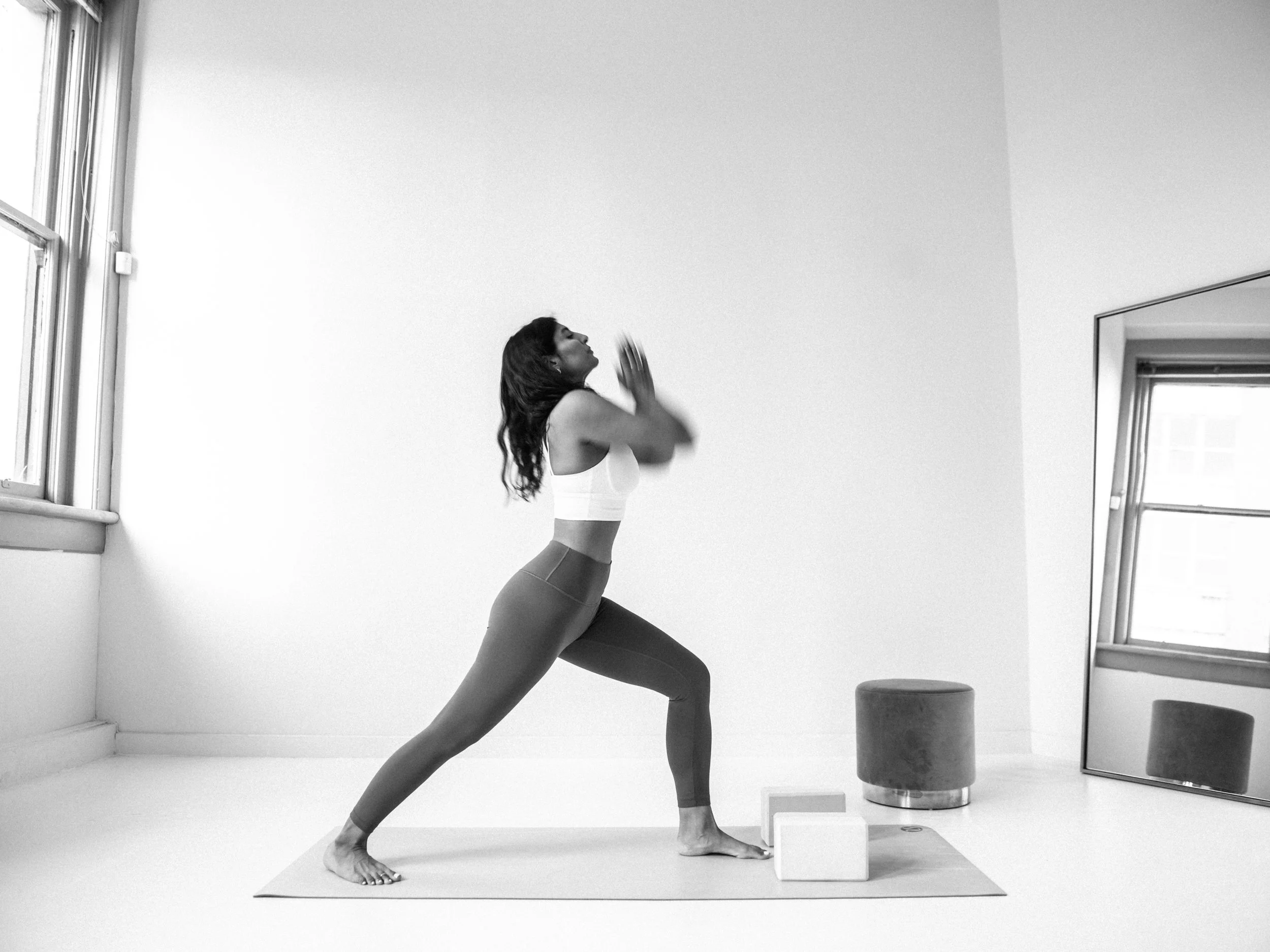
Sense of Self™
A framework for understanding yourself from within.
Your sense of self is your understanding of who you are, what you're experiencing, what matters to you and what you truly need.
It is felt in your body and shaped by your emotions, thoughts, experiences, relationships and the world around you.
Sense of Self™ brings these dimension together a practical framework that helps you explore three essential questions:
Where do I listen to myself?
The three interconnected aspects of Self.
How do I listen to myself?
Five ways to support awareness and intentional response.
What do I do with that information?
The development of body literacy grows your capacity to understand and respond to your own feelings and sensations.
Rather than prescribing another version of yourself to become, the framework offers a way to work with the person you already are. And welcome the transformation that inevitably results.

The Framework At A Glance: Sense of Self™ offers a simple structure for working with the complexity of being human.
3 ASPECTS OF SELF
Inner · Outer · Higher
Where We Listen
FIVE MOVEMENTS
Slow Down · Sense · Meet · Move · Return
How We Engage
BODY LITERACY
The capacity we develop through the practice:
learning to notice, interpret and respond to the body within the context of our lives.
( 1 )
Inner Self Care
( 2 )
Outer Self Care
( 3 )
Higher Self Care

One Self.
3 interconnected aspects.
We are not separate minds, bodies and spirits.
We are whole beings whose physical, emotional and inner experiences continually influence one another.
The Sense of Self™ Framework explores this relationship through three interconnected aspects.
Each offers a different place to begin. As you develop awareness in one area, you may begin to notice how it influences the others.

01 / INNER SELF
Understand your inner world.
What am I experiencing?
Your nervous system, emotions, thoughts, sensations and intuition.
Develop greater awareness of your internal signals, recognize patterns and learn to respond to your experience with curiosity and care.
We Explore: Nervous system literacy · Interoception · Emotional awareness · Self-regulation

02 / OUTER SELF
Build a relationship with your body.
How am I caring for myself?
Your physical experience of movement, strength, rest, sensory awareness, boundaries and environment.
Learn to experience your body as more than something to manage or improve. Discover how movement and embodied self-care can become opportunities to listen, transform, and connect.
We Explore: Mindful movement · Strength · Mobility · Rest · Embodied self-care

02 / HIGHER SELF
Connect with what matters.
What gives my life meaning?
Your relationship with values, purpose, creativity, intuition and connection.
Create space beyond the demands of everyday life to explore what matters to you and how you want to live.
We Explore: Mindfulness · Meditation · Reflection · Creativity · Ritual
Slow Down. Sense. Meet. Move. Return.

How we meet our Self(s).
5 actions to practice.
We are whole beings whose physical, emotional and inner experiences continually influence one another.
The Sense of Self™ Framework explores this relationship through three interconnected aspects.
Each offers a different place to begin. As you develop awareness in one area, you may begin to notice how it influences the others. It is something you practice through the way you move, rest, relate, make decisions and respond to everyday life.
The practice is not a sequence to follow or practice to complete. They are five ways of engaging with your experience. You can apply them individually, together or in different combinations depending on what you need. Think of them as part of your vocabulary for relating to yourself.
-
Creat space to slow down.
Interrupt the automatic pace of doing, reacting and overriding. Make room to recognize what's happening before deciding what comes next.
Can I give myself a moment?
-
Practice honest attention.
Notice sensations, emotions, thoughts and the signals of your body without immediately deciding what they mean.
What am I noticing?
-
Respond with curiosity.
Meeting means practicing curiosity toward what is present rather than automatically judging, suppressing or overriding it. This is where awareness becomes relationship.
Can I be curious about this?
-
Choose an intentional response.
Let what you notice inform your next action. That might mean movement, rest, expression, support, a boundary or simply allowing yourself to be.
What response would support me?
-
Your needs change as your life changes. Return to your experience with fresh awareness rather than assuming yesterday's answer must still apply.
What is true for me now?
Sometimes you need to Slow Down. Sometimes you need to Move.
Sometimes the most supportive thing you can do is Meet what is present without trying to change it.
The framework provides structure without prescription, allowing your lived experience to inform how you practice.
Why Body Literacy Matters For Your Overall Wellbeing:
Knowing your body is a skill worth developing.
Body literacy is the developing ability to notice, interpret and respond to information from your body within the context of your life.
It is the capacity we cultivate through the Sense of Self™ Framework.
With practice, you can develop:
Greater awareness of your body's signals and patterns.
A more informed understanding of your nervous system and emotional experience.
More intentional responses to stress, movement, rest and everyday demands.
Greater confidence in recognizing and communicating your needs.
A more sustainable relationship with your wellbeing.
The goal isn't to understand every sensation perfectly, eliminate difficult emotions or regulate yourself into a permanent state of calm.
It's to become a more informed and active participant in your own care.
Not less connected to the world around you.
More connected to yourself within it.

A NOTE FROM MELISSA
I’m here to guide you toward yourself.
After nearly two decades of teaching movement and working with people through different stages of life, I've come to understand that the most meaningful work often begins when we stop treating the body as something to fix and start developing the skills to understand it.
I created Sense of Self™ to bring together the practices I've spent years teaching into one accessible framework.
Through our work together, I help you explore your own patterns, develop body awareness and translate what you're learning into practical ways of supporting yourself.
My role isn't to become the authority on your experience. It's to help you become more informed and confident in understanding your own body signals, and trust in your ability to interpret the wisdom from within you.