
Sense of Self™
A deeper understanding of yourself begins with learning how to listen
The Sense of Self™ framework
Many years ago, standing at my bathroom sink, I asked myself a strange question.
Do I love this face wash, or have I just been using it for a decade?
Most of what I knew about taking care of myself as a teenager came from people selling me something: TV commercials, magazine ads, whatever my friends thought was cool. Once I started asking where my beliefs came from, I couldn't stop. Why do we value a certain idea of health? Who decided what a strong body looks like? Where did we learn that rest has to be earned?
Sense of Self™ is built on that kind of question. It helps you tell the difference between what you were taught to want and what your body is actually telling you it wants.
Slow the noise down
〰️
Slow the spiral down
〰️
Slow the body down
〰️
Slow the mind down
〰️
Slow the grief down
〰️
Slow the hustle down
〰️
Slow the noise down 〰️ Slow the spiral down 〰️ Slow the body down 〰️ Slow the mind down 〰️ Slow the grief down 〰️ Slow the hustle down 〰️
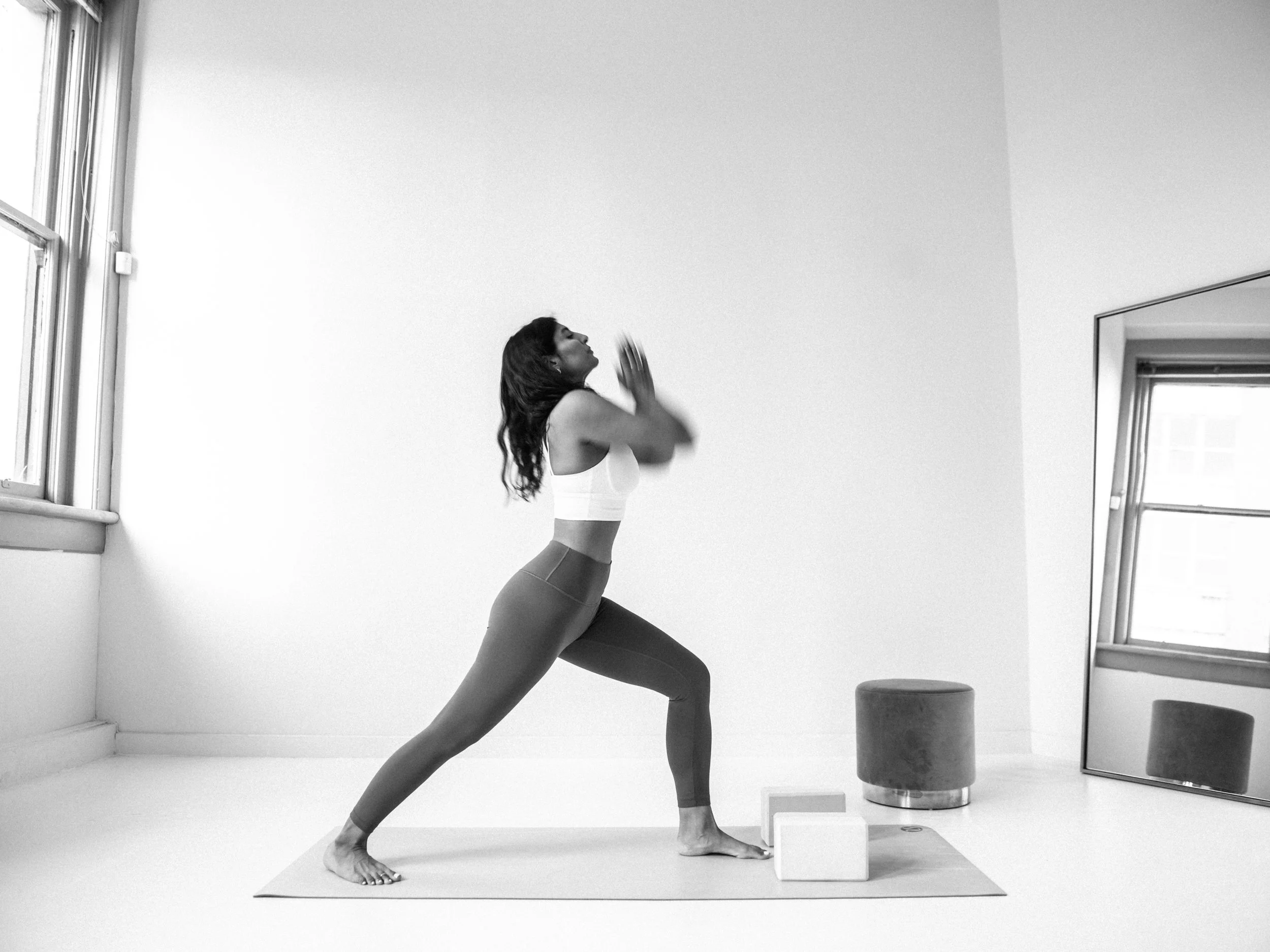
Speed is the default setting for most of us. Faster results, more optimized mornings, the next hack. Slow Wellness is the current underneath everything at Kunye, and it asks a different question: what could you notice if you weren't rushing past it?
Slowing down is how the body's information becomes readable. It's the first step of the framework, and the one most people skip
It’s starts with slowing the **** Down.
Meeting Our Self
One self. Three places to listen.
We are not separate minds, bodies, and spirits. What happens in one part of you shows up in the others, which is why the circles overlap. Each aspect is a different place to begin.
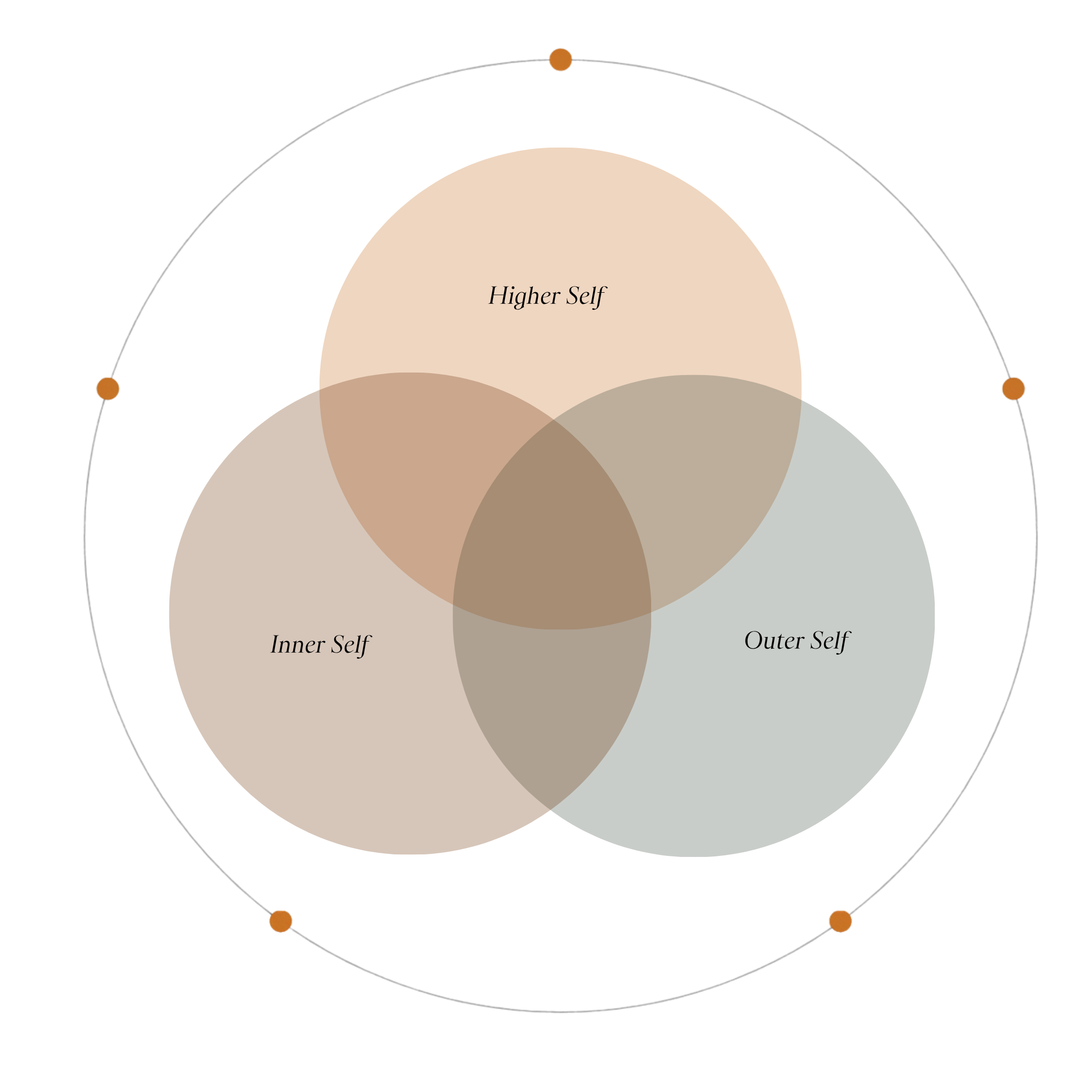
Inner Self
What we experience.
Your nervous system, emotions, thoughts, sensations, and intuition. Here you learn to notice your internal signals, recognize your patterns, and respond to what you feel with curiosity instead of judgment.We explore: nervous system literacy · interoception · emotional awareness · self-regulation
Outer Self
How we care for ourselves.
Your body in motion and at rest: strength, mobility, breath, sleep, boundaries, and the spaces you live in. Here the body becomes more than something to manage or improve. Movement and everyday care become ways of paying attention.We explore: mindful movement · Pilates · strength · mobility · rest · embodied self-care
Higher Self
The things that give our life meaning.
Your values, purpose, creativity, and connection. Here you make room, beyond the demands of the day, to ask what matters to you, where your beliefs about health and worth came from, and how you want to live.
We explore: mindfulness · meditation · reflection · creativity · ritual

How we practice
Five ways to meet yourself.
The five movements are the practice itself. They aren't a sequence to complete. Think of them as a vocabulary for relating to yourself, one you can use in a Pilates session, a hard conversation, or a Tuesday afternoon when everything feels like too much.
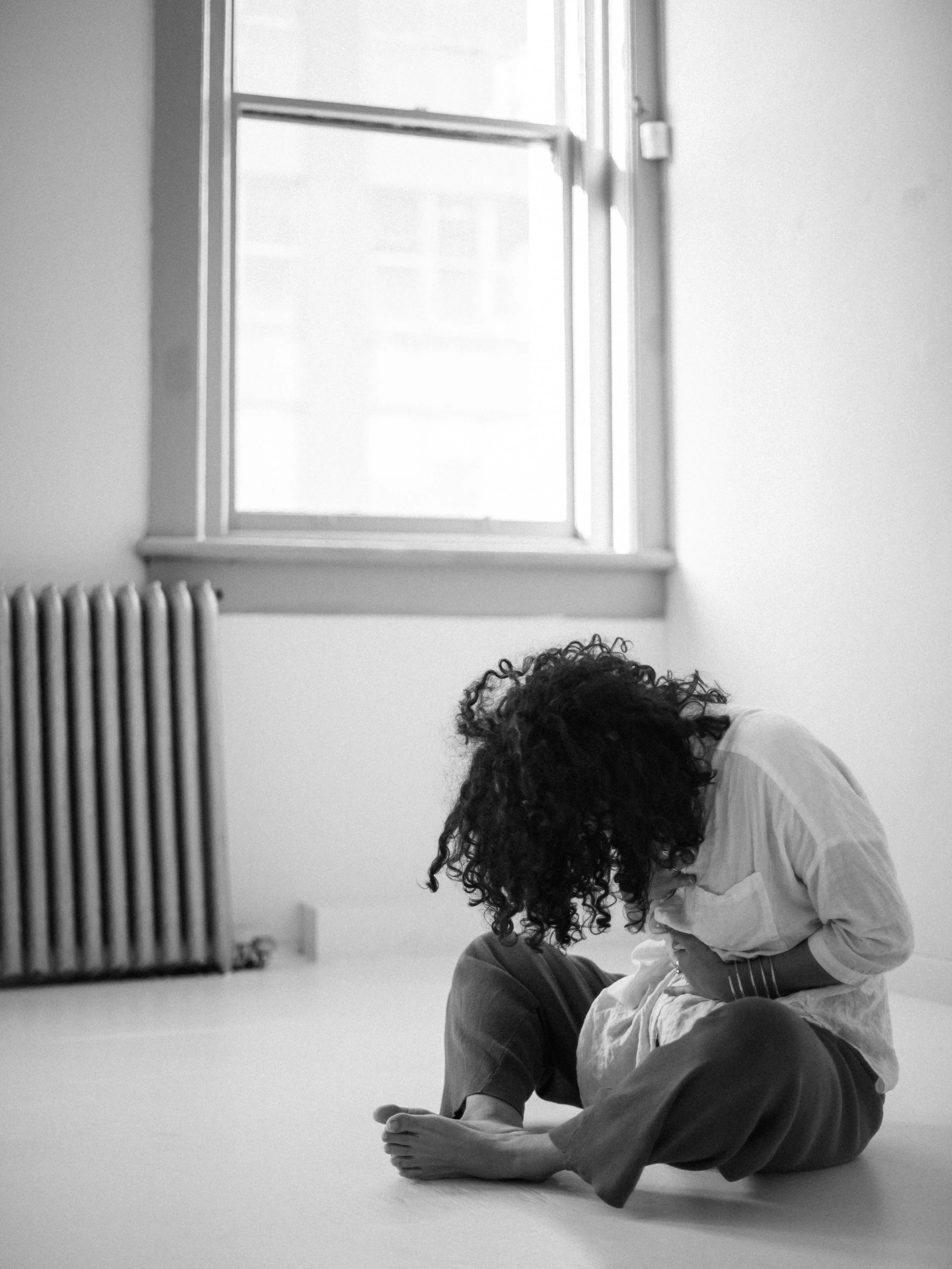
01 slow down
Can I pause for a moment?
Interrupt the automatic pace of doing, reacting, and overriding. Make room to recognize what's happening before moving onto what comes next.
02 sense
What do you notice?
Pay honest attention to sensations, emotions, and thoughts without rushing to decide what they mean.
03 meet
Can you be curious about this?
Meet what's present with curiosity instead of judging, suppressing, or overriding it.
04 move
What response would support you?
Let what you notice inform your next choice. That might be movement, rest, expression, support, a boundary, or simply letting yourself be.
05 return
What is true right now?
Your needs change as your life changes. Come back to your senses with fresh attention.
Practical Application
You've had a long day. You're exhausted, but your calendar says it's time for the gym.
You might Slow Down long enough to interrupt the automatic rush out the door. Sense the fatigue in your body. Meet it with curiosity instead of treating it as a lack of discipline.
From there, Move might mean adjusting your workout, choosing recovery, or recognizing that you have the capacity to train after all.
And tomorrow? Return. Check in again. Your needs may have changed. The framework provides structure without prescription, allowing your lived experience to inform how you practice.
Learning how to listen to your body
is a skill worth developing.
Body literacy is the ability to notice, understand, and respond to your body's signals within the context of your life. The goal isn't to understand every sensation perfectly, eliminate difficult emotions, or regulate yourself into a permanent state of calm. It's to become a more informed and active participant in your own care.
Through education and practice, you begin to develop three valuable skills:
Recognize your patterns.
Understand how your body responds to stress, movement, rest, and the demands of everyday life.
Know what supports you.
Learn how different practices affect your body, when to use them, and where their limitations lie.
Make informed choices.
Use what you've learned to make decisions about your movement, recovery, boundaries, and care that fit the life you're actually living.
Kunye offers education in movement, mindfulness, and somatic practice. It can complement medical or therapeutic care, but doesn't replace it.

I’m here to guide you toward yourself.
Sense of Self™ is grounded in exercise physiology, anatomy, somatic education, and mindfulness research, informed by 10+ years of teaching. It also draws on older wisdom traditions, and on thinkers who shaped how I see the body and rest, including bell hooks, Tricia Hersey, Resmaa Menakem, and adrienne maree brown.
After nearly two decades of teaching movement, I've learned that the most meaningful work often begins when we stop treating the body as something to fix and start building the skills to understand it. My role isn't to become the authority on your experience. It's to help you become more informed and confident in reading your own signals.