
 Image 1 of 1
Somatic Wellness Via The Fascia
Fascia—the connective tissue web that wraps around every muscle, organ, and nerve in your body—holds more than just physical structure. It stores memory, tension, and the accumulated experience of how you've moved (or haven't moved) through the world. When fascia becomes dehydrated or adhered, it restricts movement and can manifest as chronic pain, stiffness, or that feeling of being trapped in your own skin. Working with fascia through slow, deliberate pressure helps restore hydration, improve glide between tissue layers, and release patterns that no longer serve you.
In a culture that teaches us to push through pain and override our body's signals, somatic practices offer practical tools to not only listen to the body but to heal it at the same time. Myofascial release is not just physical therapy—it's a form of embodied self-inquiry, a way of asking "“what am I holding onto and where?” and then slowly encourage you to release it.
For bodies that have been marginalized, medicalized, or told they are "too much" or "not enough," reclaiming sensation and agency through touch becomes an act of resistance. This is care that doesn't require permission from anyone else.
Just you, your body, and the slow practice of coming home to yourself.
Best burned when you want to come home to yourself, or you need a reminder there’s not place like home.
-
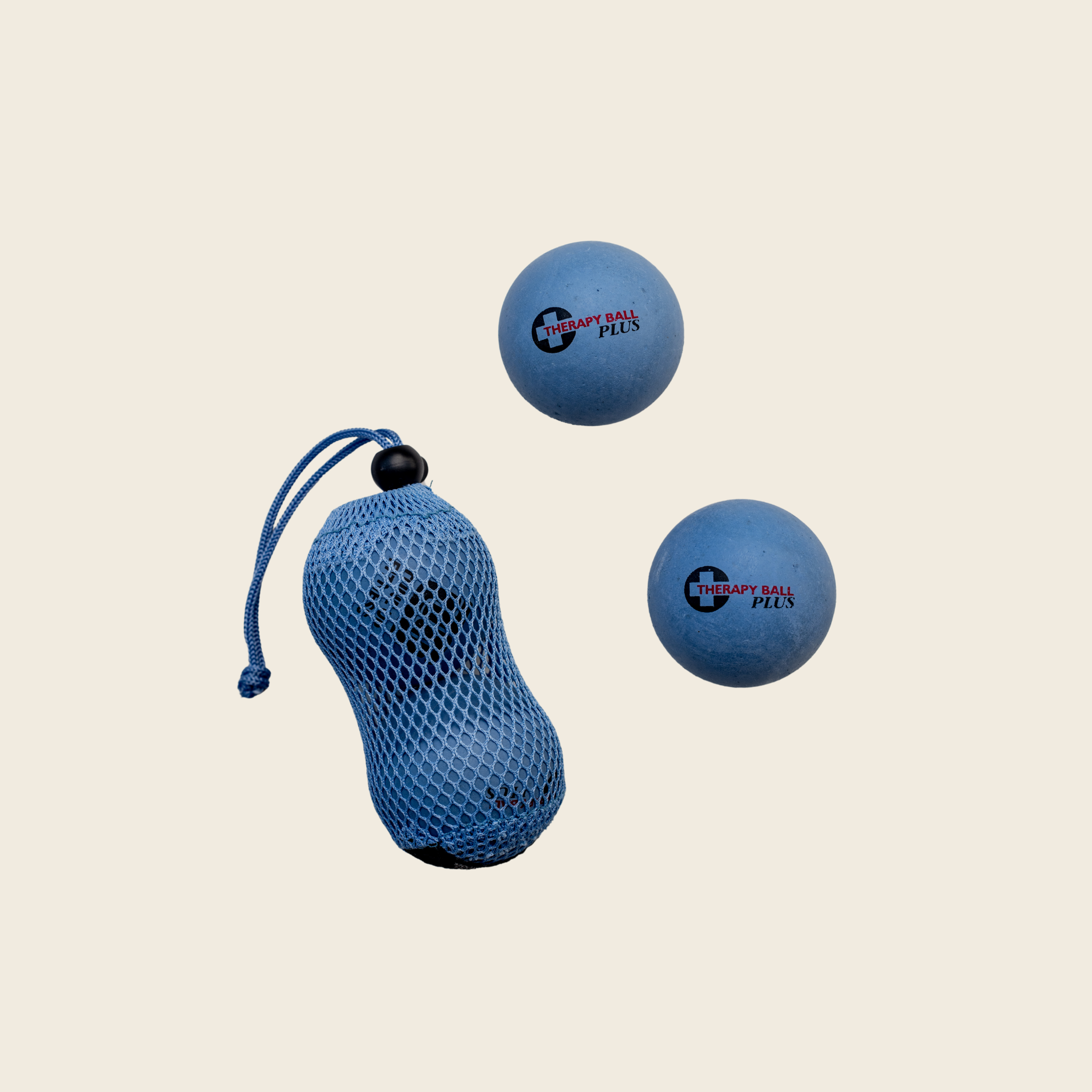
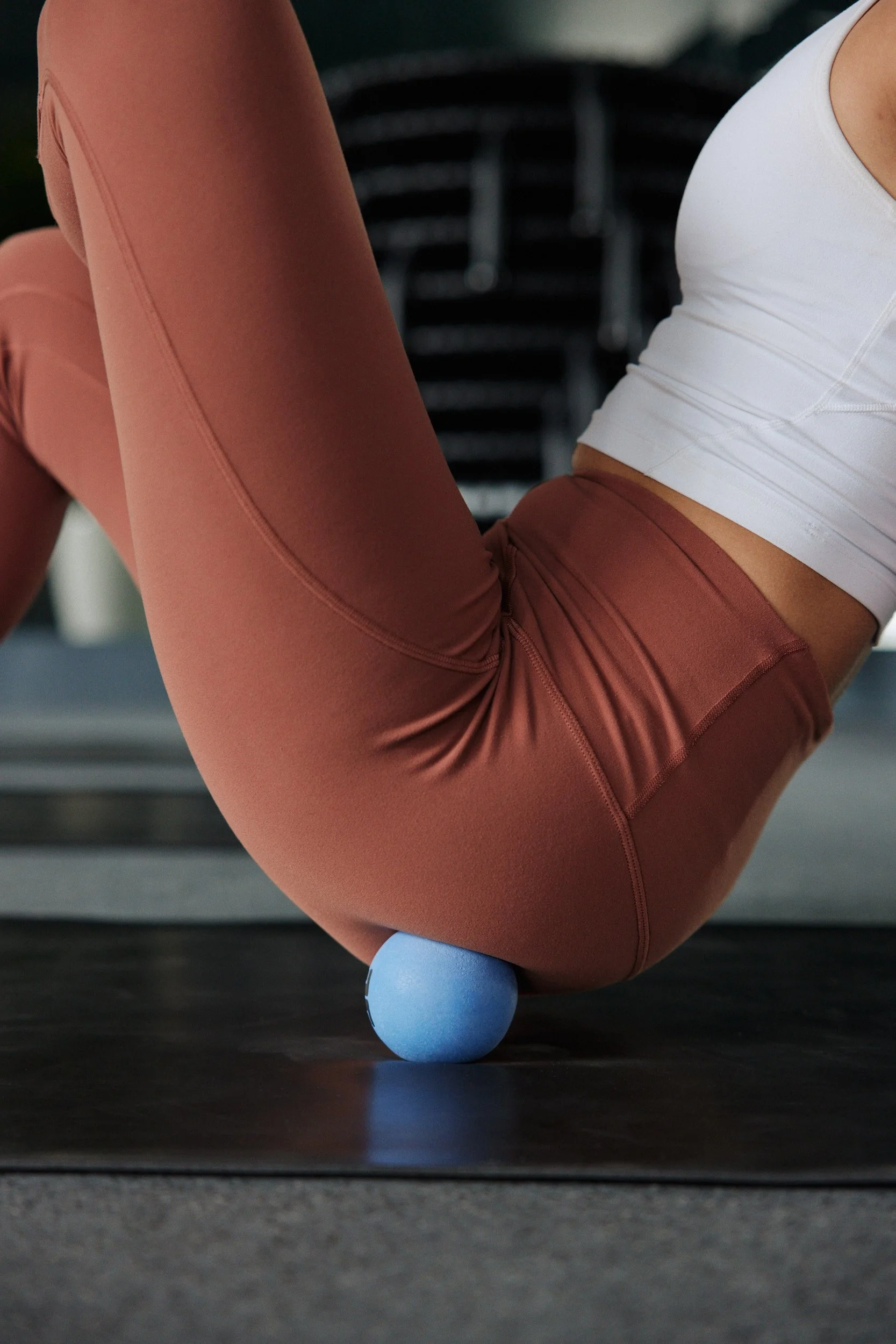
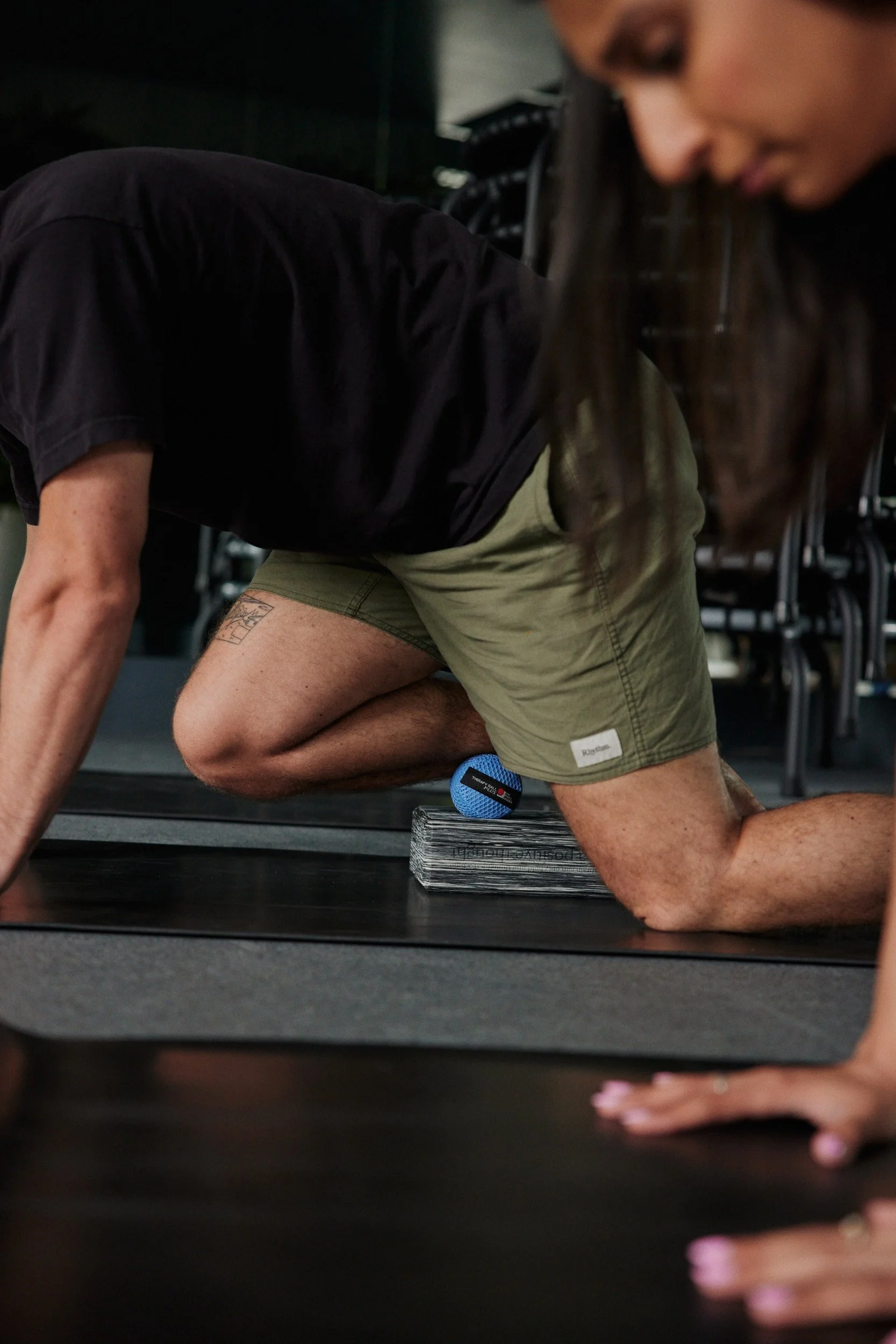
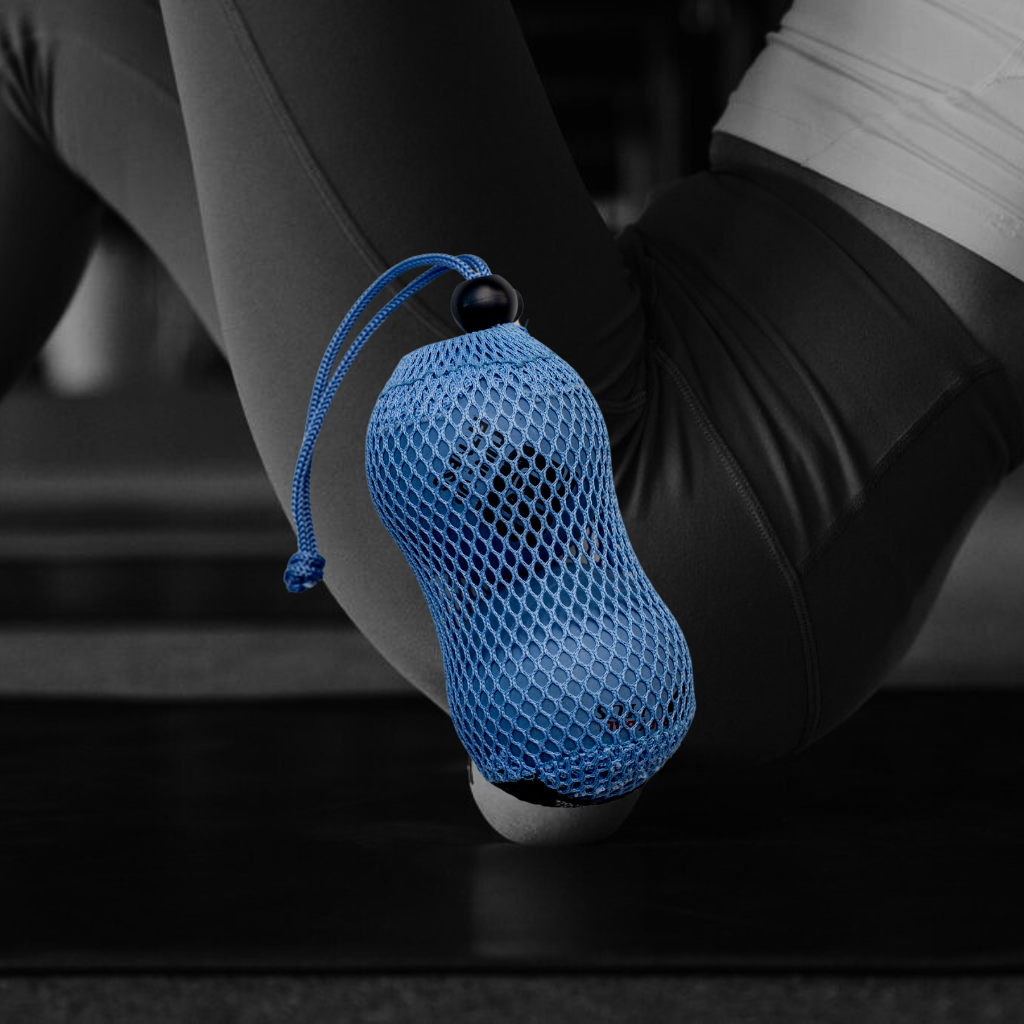
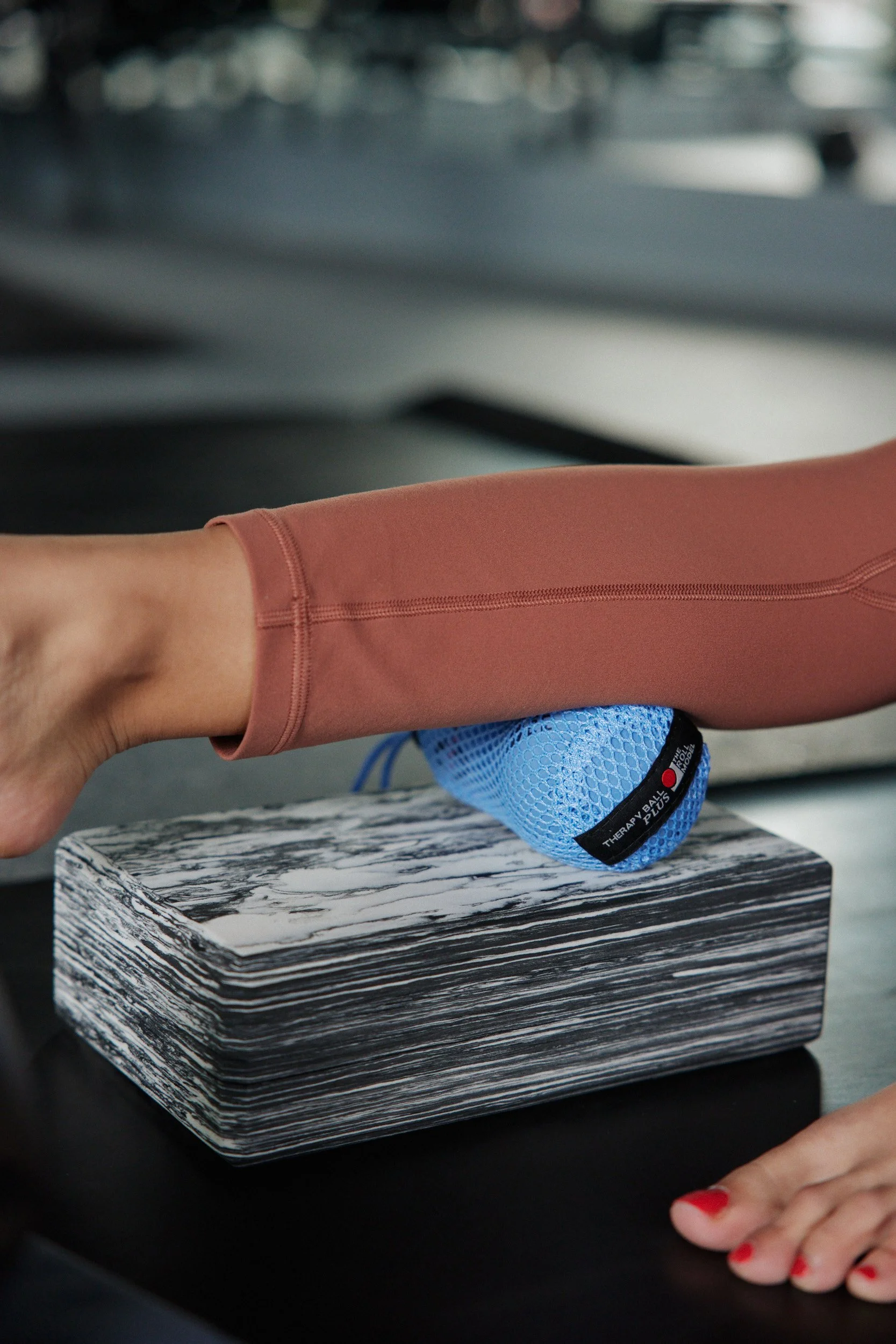
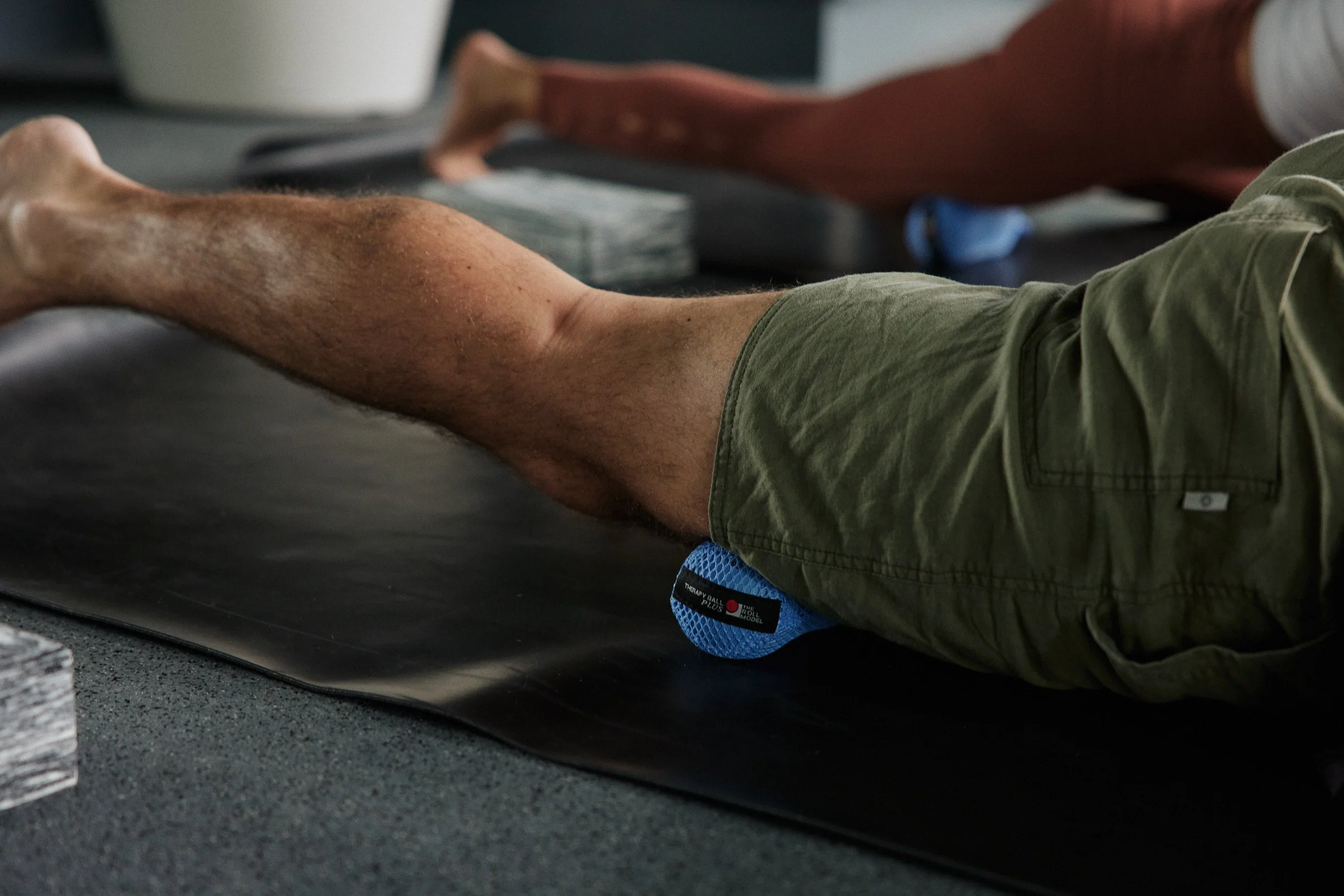
This is slow wellness. Find a quiet space. Bring your attention to where your body feels tight or guarded. Place the ball beneath you—against a wall, on the floor, or in your hands—and allow your body weight to settle onto it. Stay here. Breathe. Move with micro-adjustments, searching for the tender spots that ask for attention.
The practice isn't about forcing release; it's about creating conditions for your fascia to hydrate, your nervous system to downregulate, and your body to remember what ease feels like.
Areas of focus:
Shoulders and upper back
Hip flexors and glutes
Forearms and hands
Calves and shins
Lower Back
-
These tools are made to accompany you through years of practice. Clean them gently with mild soap and water after use, allowing them to air dry completely. Store in the included tote away from direct sunlight and extreme temperatures to preserve the natural rubber. The balls may develop a slight patina with regular use—this is normal and speaks to the relationship you're building with your practice.
Note: Made with natural latex rubber. Not suitable for those with latex sensitivities.
GUIDED PRACTICE
Book A 1:1 Guided session (virtual) w/ Melissa
Self - Guided Sessions via PDF (Coming Soon)


